

- 10 August 2026|
- Windows
Casement is the most popular window style in the UK, and it’s easy to see why. It’s versatile, secure, and suits homes of every size and style, from detached period properties to terraced houses and absolutely everything in between.
With multiple frame shapes, colour options, configurations, and glass choices, deciding on the right uPVC casement window style for your home can be tricky.
To help you navigate the options, we’ve laid out the choices in this guide. We interviewed our team, some of whom have been in the glazing industry 30+ years, and they provided a few pearls of wisdom to help you make sense of the decisions ahead.
uPVC casement window styles at a glance
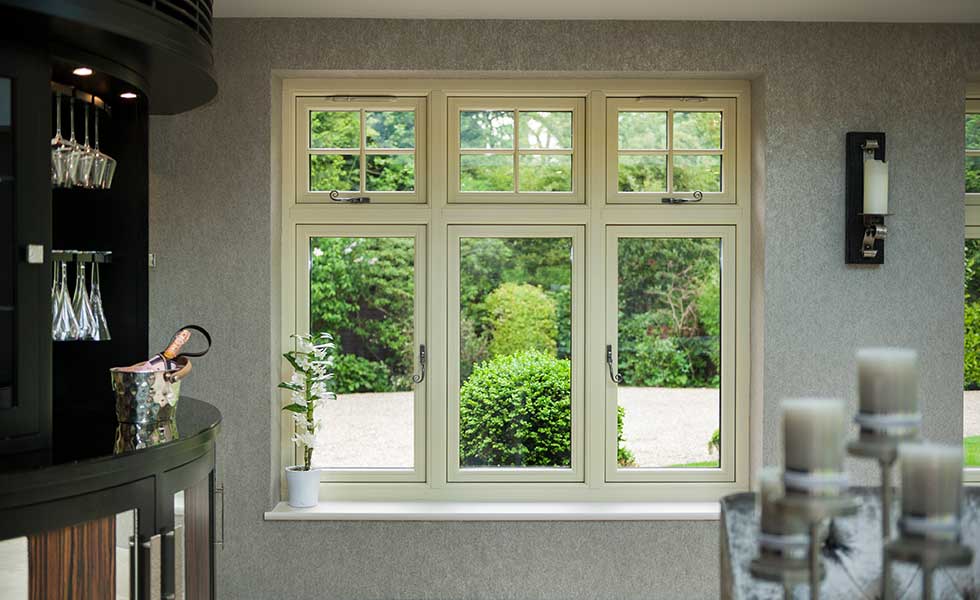
- Period property (Victorian or Edwardian)? Go for flush casement, our premium option, for a flat, traditional profile that suits original brickwork and detailing.
- 1930s semi or modern new-build? Stormproof casement is the standard choice, in a chamfered or sculptured shape depending on your property.
- Deciding between the two? Both perform identically on energy efficiency, flush simply costs more and looks the part on a period home.
Read on for the full breakdown of styles, shapes, configurations, glass, and finance.
Stormproof or flush casement?
This is the first fork in the road, and it’s all about how the sash (the part of the frame that opens) sits within the outer frame (the fixed part of the frame that’s fitted into the wall opening).
In a nutshell, you have two options: stormproof or flush casement.
A stormproof casement, sometimes called a lipped casement, has a sash that overlaps the outer frame. It’s this overlap that creates extra protection from the wind and rain and helps keep your home warm and dry. Most uPVC windows feature a stormproof frame, and if you’re a window geek like us here at Enhance, you’ll spot them everywhere you go.
A flush casement, meanwhile, has a sash that sits level with the face of the outer frame, in a single flat profile. That flat, level profile is what makes it look like a traditional timber window, so it’s the natural fit for Victorian and Edwardian properties, where an overlapping modern sash would sit awkwardly next to original brickwork and detailing. It’s our premium casement option, it costs more than stormproof, and the trade-off is entirely about looks and craftsmanship rather than performance; the two construction types carry the same energy rating.
Flush sash is actually the older design – it’s how timber windows were built for centuries, and was a staple on countless British properties built pre-1980s. When uPVC windows were first invented, manufacturers couldn’t easily replicate that flush look while still weatherproofing properly, so an overlapping “stormproof” sash became the standard uPVC design.
While there are notable performance benefits to a stormproof casement window, consumers still wanted the look of a traditional flush sash, and that’s what drove several manufacturers in the industry to design a window that offers the traditional timber look without losing the weatherproofing, a more demanding manufacturing process, which is reflected in the price.
Chamfered or sculptured for my casement window frame?
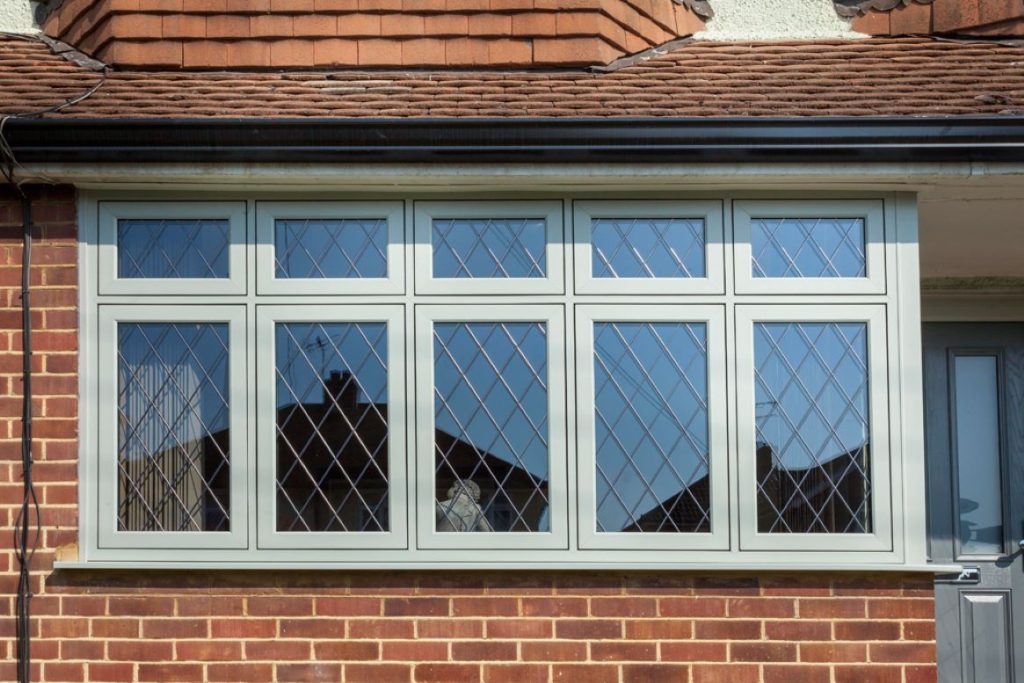
With stormproof casement windows, you have two choices: a chamfered frame or a sculptured frame. A chamfered frame has a clean, angled edge and a contemporary line. A sculptured frame has a softer, curved profile that looks more like traditional joinery.
How many chambers do I need in my frame?
A chamber is a hollow, sealed section running through a window profile. Think of the frame’s cross-section as a series of tubes running side by side, each one trapping a pocket of still air. Still air is a poor conductor of heat, so more chambers generally means better insulation, along with extra rigidity in the frame itself.
In the 2000s-2010s, most British window systems had three chambers, whereas in countries like Germany you would often find five, six or even seven chambers. As the Building Regulations became more stringent, and thermal performance standards increased, the number of chambers on British windows was forced to increase.
Chamber count is something you’ll often see compared between different window systems as a rough shorthand for build quality.
With Enhance, this isn’t something you need to weigh up yourself; our casement windows use the Optima profile throughout, a six-chamber system in the outer frame, paired with a five-chambered sash. In layman’s terms, that’s good – it’s a high performing product and that’s all you really need to know.
Our window frames feature a 10mm gasket to stop air leakage, giving our windows a strong baseline for thermal performance and weather tightness.
Casement window configurations
Once you’ve decided on frame shape, there’s the configuration to consider. Here are the core options:
- Side-hung – Hinges left or right and opens fully. The most common configuration.
- Top-hung – Hinges at the top and tilts outward at the bottom, good for bathrooms and kitchens since it keeps rain out while still ventilating.
- Combination – Pairs a fixed pane with an opening sash in one frame, useful for wider openings.
What hardware do I need for my casement window?
Hardware refers to the locking mechanism, handles, and hinges – the working parts that let you open, close, and secure the window. While these are functional components, certain hardware, for instance the handles, can have a big influence on the look of your window.
Choose from traditional-style handles and hinges that suit period properties, or sleeker contemporary designs for a cleaner, modern finish. We carry an extensive catalogue and can talk you through the full range of options. All our casement windows come with multi-point locking as standard and are Secured by Design approved, with PAS 24 available as an optional upgrade if you want extra peace of mind.
Glass options for casement windows
Double glazing or triple glazing?
This is the biggest decision on performance, and we offer both. Double glazing uses two panes with a sealed gap between them, and it’s been the UK standard for years.
Triple glazing adds a third pane and a second sealed gap. It costs more, and it’s usually the better performer, giving you an extra layer of insulation against heat loss and, typically, better noise reduction too. The trade-off is weight and depth – the frame has to be built to take the extra unit, but for a cold room, a home office, or a house on a busy road, it’s worth asking about.
At Enhance, we offer both double glazing and triple glazing and can advise on the best option for you and your home.
How a glazing unit is built
Whichever you choose, the panes are held apart by a spacer bar around the edge, with a gas fill (typically argon) sealed in the gap between them. Underneath the spacer sits a desiccant, a material that absorbs any moisture trapped inside the unit.
If you ever see condensation forming between the panes of an existing window rather than on the surface, that’s a sign the seal has failed and the unit needs replacing, not just the frame.
The glass itself
Beyond double or triple, there are several types of glass, each suited to a different problem:
- Low-E glass – Has a coating so thin it’s invisible to the eye, which reflects heat back into the room rather than letting it escape. This is what does most of the work on keeping a room warm in winter.
- Toughened glass – Heat-treated so that if it breaks, it crumbles into small, blunt pieces rather than large sharp shards. Required by building regulations in certain locations (covered below), and a sensible upgrade anywhere you want extra peace of mind.
- Laminated glass – Two panes bonded together with a plastic layer between them. It holds together even when cracked, making it far harder to break through, which is why it’s used where security matters most. It also blocks a large amount of UV, which helps protect furniture and flooring from fading.
- Obscure or textured glass – Frosted or patterned glass that gives you privacy without blocking the light, commonly used in bathrooms, toilets, or any window that’s overlooked.
- Acoustic glass – Uses different pane thicknesses and a sound-dampening layer to reduce noise coming through the window. Useful if you’re on a busy road or near a school.
- Georgian bar glass – Decorative bars built into the glass unit itself to create a divided-pane look, a different option from the plant-on astragal bars covered below.
Where safety glass is a legal requirement, not a choice
UK building regulations require safety glass (toughened or laminated) in specific “critical locations”: any glazing in a door up to 1500mm above floor level, any window glazing up to 800mm above floor level, and any glazing within 300mm of a door’s edge, up to 1500mm high. If a pane falls in any of these zones, it has to be safety glass. This applies to replacement windows and doors as much as new ones.
Our casement windows carry an A+ Window Energy Rating with an index score of 10, and this applies to both stormproof and flush casement styles equally, so whichever style you choose on looks, you’re not compromising on energy performance.
Astragal bars for casement windows
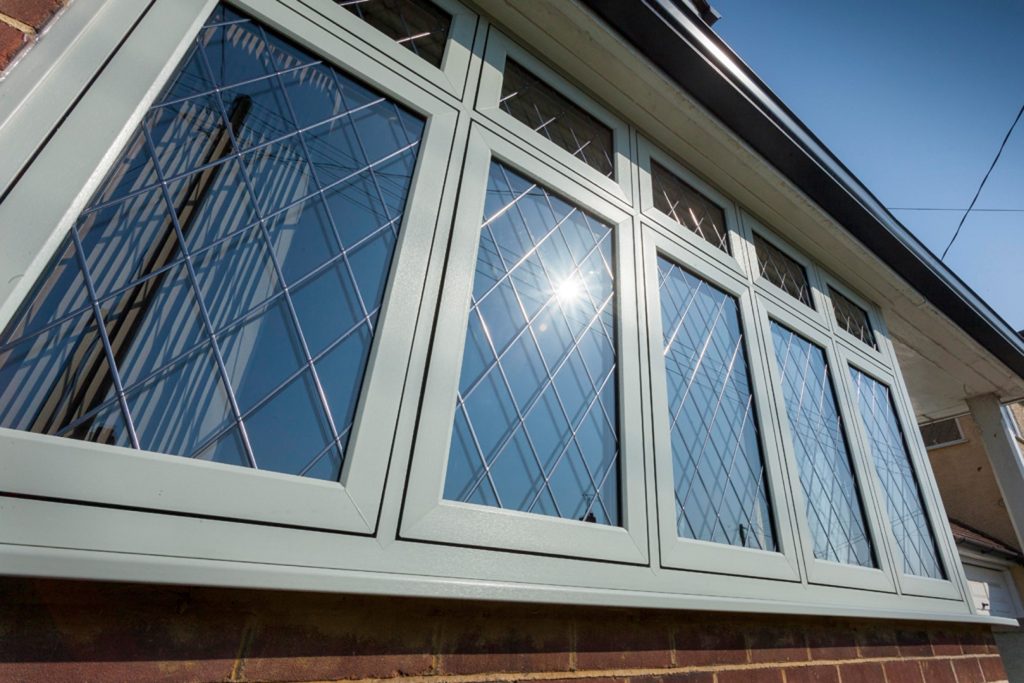
If you want the look of traditional divided panes, we offer plant-on astragal bars, fitted to the surface of the glass to recreate a period grid pattern without losing the thermal performance of a single sealed unit. This is a popular choice on Victorian and Edwardian properties alongside flush casement.
Casement window colours
Our uPVC casement windows come in a wide range of colours and finishes, from classic white through to anthracite grey and traditional woodgrain effects. Rather than list them here, see the full colour swatches on our product page so you can judge the shades properly.
Matching casement window style to your property
- Victorian and Edwardian homes – Flush casement, our premium option, often with plant-on astragal bars, in a colour like Chartwell Green or Anthracite Grey.
- 1930s semis – Stormproof casement, chamfered or sculptured depending on existing detailing, in White or Light Oak.
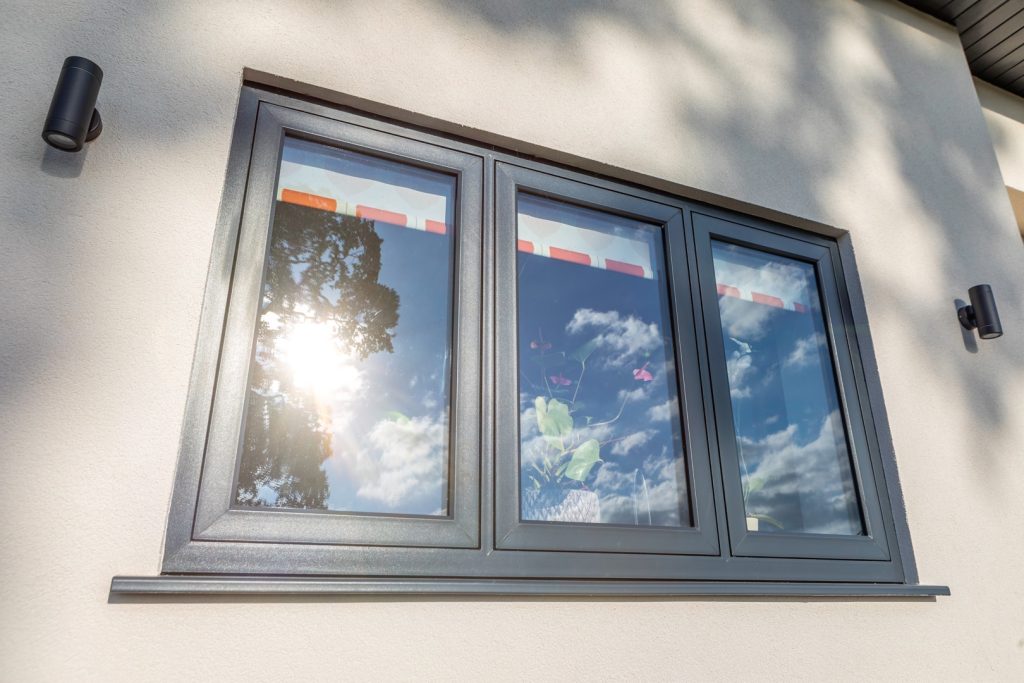
- Modern and post-war homes – Stormproof casement, typically chamfered, in Anthracite Grey for a clean, contemporary finish.
Getting the right window for your home
Every installation comes with a 10-year CPA-insured guarantee.
We also offer flexible finance, spread across a number of months or years, including Buy Now Pay Later options with a deferred payment period. Get in touch for a free quote, design and planning consultation.
The best way to judge chamfered against sculptured, or see the colours against each other, is in person. Pop into our showrooms in Benton, Cramlington or Birtley and see the options for yourself, or book a free design appointment and we’ll bring the samples to you.
FAQ
What’s the difference between a stormproof and a flush casement window?
A stormproof sash overlaps the outer frame rather than sitting level with it, which is what sheds water and keeps weather out. A flush sash sits level with the frame face instead, matching the flat profile of traditional timber windows, and is our premium option, costing more but offering a more authentic period look.
Is a flush casement more energy efficient than a standard casement?
No, both carry the same A+ Window Energy Rating. The difference is looks and cost, not performance, flush is our premium option for its craftsmanship and traditional appearance.
What’s the difference between astragal bars and Georgian bar glass?
Plant-on astragal bars sit on the surface of the glass to recreate a traditional divided-pane look. Georgian bar effects built into the glass unit itself are a different option, we can talk you through both.