

- 10 May 2026|
- Replacement roofs
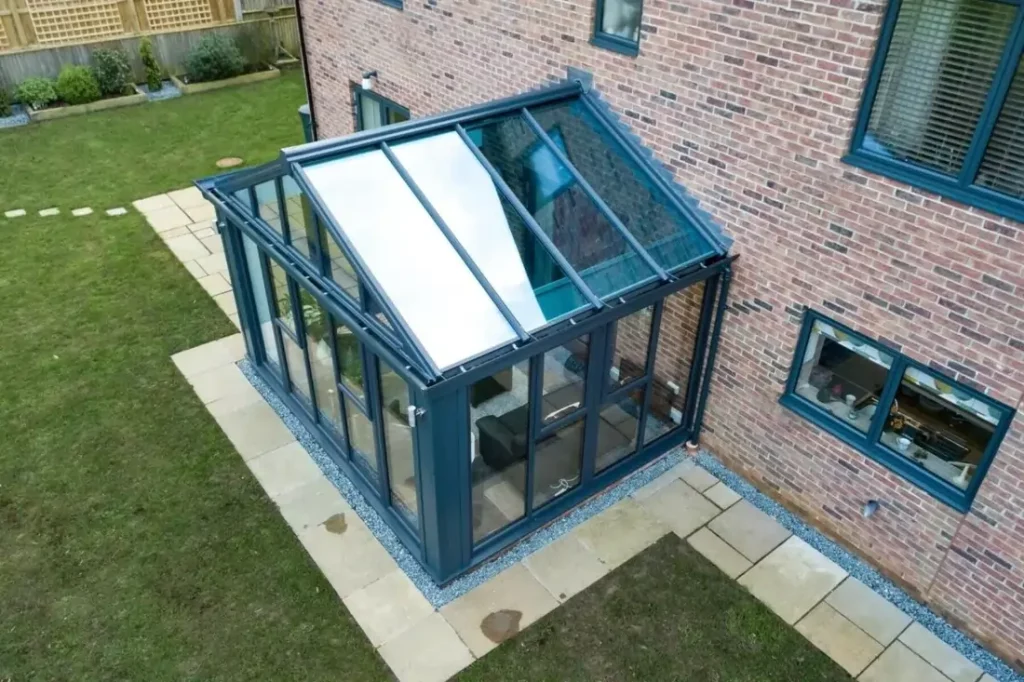
The best glass for a conservatory roof depends on how you plan to use the space.
For year-round comfort, solar control glazing with a low-emissivity coating is the most popular choice among homeowners replacing or specifying a new conservatory roof. It manages heat gain in summer, reduces heat loss in winter, and lets in ample natural light without the glare or cold spots that plague older single or standard double glazed roofs.
Below, we cover the main types of glass available, what the specs actually mean in practice, and how to match the right roof glass to your specific needs.
Why the glass in your conservatory roof matters more than the walls
Most heat loss in a conservatory happens through the roof. Glass panels overhead face direct sunlight at a steep angle in summer and release warmth rapidly on cold nights. Choosing efficient glass for your roof has a bigger impact on energy bills and comfort than almost any other upgrade you can make to the space.
Poor glazing turns conservatories into rooms that are unusable for several months of the year. The right roof transforms the same footprint into genuine extra living space.
Types of glass for a conservatory roof
Standard float glass
Clear float glass is no longer a realistic option for a glass conservatory roof in new builds or roof replacements. It offers almost no thermal insulation, fails modern building regulations for U-values, and provides no solar control. It is included here only so you can rule it out.
Low-emissivity (low-e) glass
Low-e glass has a near-invisible metallic coating on the surface of the glass that reflects radiant heat. In winter it reflects warmth back into the room. In summer it reduces the amount of solar energy passing through. This is the single most impactful upgrade for thermal efficiency in a glass roof.
A quality low-e unit typically achieves a U-value of 1.2 W/m²K or below, compared to around 2.8 for basic double glazing. Lower U-values mean better insulation and lower energy bills.
Solar control glass
Solar control glass goes a step further than standard low-e coatings. It includes a specialist coating that selectively filters the solar spectrum, cutting out the infrared heat while still allowing visible light to pass through. The result is a conservatory that stays cooler under direct sunlight without feeling dark.
This is the ideal choice for south or west-facing roofs where solar gain is the bigger problem. If your conservatory faces north and rarely gets direct sun, a high-performance low-e unit is usually sufficient.
Self-cleaning glass
Self-cleaning glass uses a photocatalytic coating on the outer surface. When UV light hits the surface, it breaks down organic dirt. Rain then sheets off rather than forming droplets, washing debris away. For a glass conservatory roof, this is one of the most practical upgrades available given how difficult overhead glass is to clean manually.
It works best with regular rainfall and some UV exposure, so it performs well across most of the UK for most of the year.
Triple glazing
Triple glazing adds a third pane, improving U-values further. For roof applications, the added weight needs to be considered against the structural specification of the conservatory frame. In most residential conservatory roof replacements, high-performance double glazing with a quality low-e coating delivers the best balance of thermal performance, weight and cost.
Comparing glass options at a glance
| Glass type | Thermal insulation | Solar control | Self-cleaning | Best for |
| Standard float | Poor | None | No | Not recommended |
| Low-e double glazed | Excellent | Moderate | Optional | North/east-facing roofs |
| Solar control | Excellent | High | Optional | South/west-facing roofs |
| Self-cleaning coating | Excellent | High (if combined) | Yes | All aspects, low maintenance |
| Triple glazed | Superior | Moderate-high | Optional | Maximum insulation priority |
Does glass roofing still comply with building regulations?
Yes, provided the glazing meets current energy efficiency standards. Permitted development rules allow like-for-like conservatory roof replacements in most cases, but if you are changing the roof type or extending the structure, you may need to check with your local authority. A reputable installer will confirm compliance before work begins.
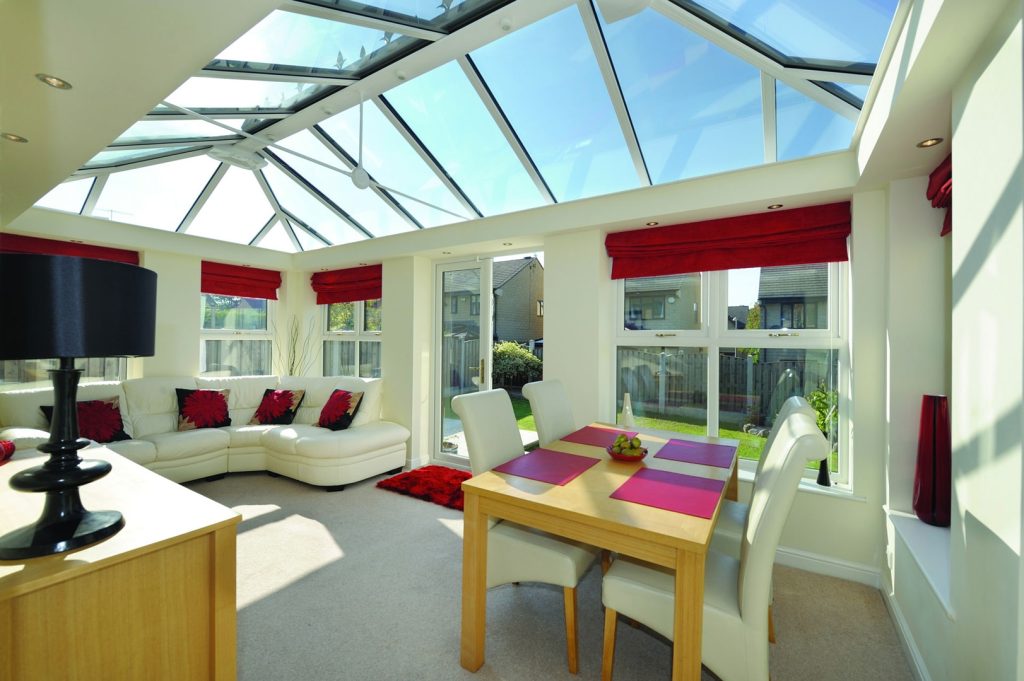
Is a tiled roof a better option than glass?
A tiled conservatory roof or solid roof offers superior thermal insulation compared to even the best glass options, and it can dramatically reduce noise from rain. The trade-off is natural light. A tiled roof turns a conservatory into a room that feels more like a standard extension, which suits some homeowners and not others.
If maximum light and an open, airy feel are priorities, a high-performance glass roof remains the right roof choice. If year-round thermal performance is the priority and light levels are less important, a solid or tiled roof is worth considering as a roof replacement option.
Many homeowners choose a hybrid approach: a fully glazed roof with solar control glass, paired with a quality internal roof blind system for additional comfort control.
What to look for when choosing conservatory roof glass
- U-value 1.2 or below for good thermal performance
- Solar control coating if south or west facing
- Self-cleaning or easy clean outer coating to reduce maintenance
- Argon or krypton gas fill between panes for better insulation
Getting the glazing specification right from the start avoids costly replacements later. If you are comparing quotes, ask each supplier to confirm the U-value, the type of coating and whether the units are argon-filled. These details separate good conservatory glass from average conservatory glass.
Working with Enhance Conservatories
At Enhance Conservatories, we supply and install high-performance glazed roofing systems across the region. If you would like advice on the best glass for your conservatory roof based on orientation, usage and budget, get in touch with our team for a no-obligation consultation.