

- 16 March 2026|
- Conservatories
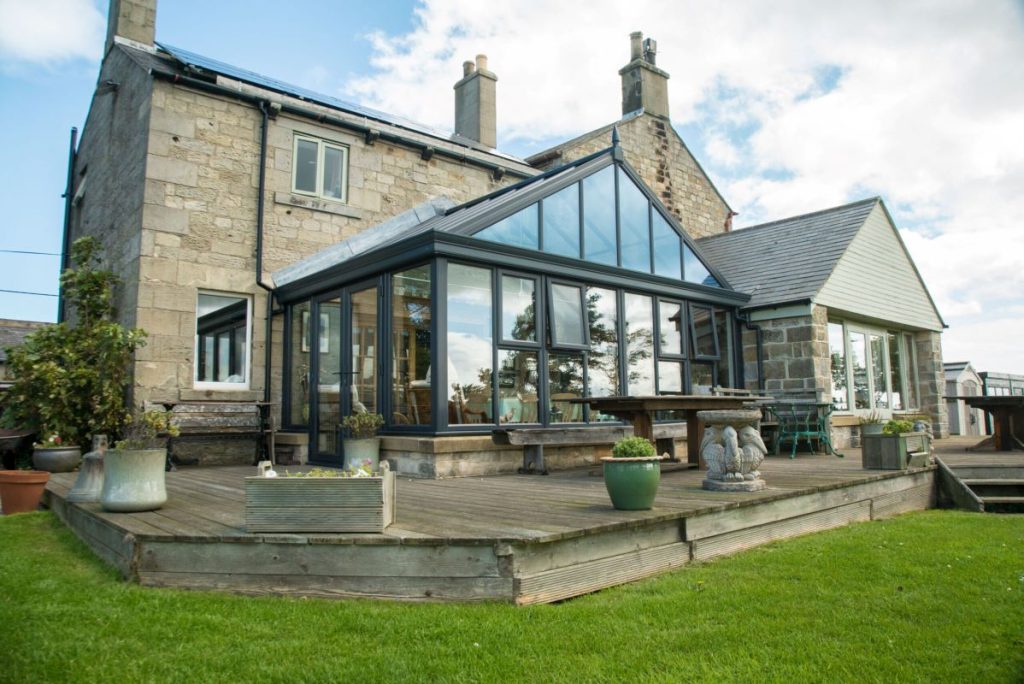
If you’re thinking about adding a conservatory to your home, one of the first questions you’ll probably ask is: how long will it actually last?
It’s a sensible thing to want to know.
A conservatory is a significant investment, and you want the reassurance that it will stand the test of time – looking great, performing well and adding real value to your home for years to come.
The good news is that a well-built conservatory, constructed from the right materials and looked after properly, can last for several decades.
But as with most things in life, the detail matters. Let’s take a closer look at what influences the lifespan of a conservatory and what you can do to make the most of yours.
What is the typical lifespan of a conservatory?
Most conservatories built to a good standard will last anywhere between 20 and 30 years – and many last considerably longer.
According to the Glass and Glazing Federation, properly installed double glazing can last upwards of 20 years, and the same logic applies to conservatory structures as a whole.
That said, the conservatory’s lifespan depends on several key factors: the quality of materials used in construction, the standard of installation and how consistently it’s maintained over the years.
A poorly built conservatory using cheap components may show signs of damage within a decade. A high-quality structure from a reputable company, built with care and precision, can still be performing beautifully well into its third decade and beyond.
What affects how long a conservatory lasts?
Choice of materials
The quality of materials is one of the biggest factors in determining how long your conservatory will last. Different materials have different characteristics, and it’s worth understanding what you’re working with.
uPVC conservatories are one of the most popular choices for homeowners in the UK. uPVC is durable, low maintenance and resistant to rot and corrosion. A well-made uPVC conservatory can easily last 25 years or more with minimal upkeep.
Aluminium conservatories are another strong option. Aluminium is exceptionally robust, weather-resistant and holds its shape over time. It tends to have a longer life than uPVC in many cases, particularly in exposed locations.
Timber can look stunning but requires more regular maintenance to protect against water damage, warping and rot. Without proper care, a timber conservatory can deteriorate significantly faster than uPVC or aluminium alternatives.
Installation quality
The best materials in the world won’t help if the installation isn’t up to scratch. Poor workmanship can lead to problems with the supporting structure, water ingress, heat loss and failing seals around the double glazing – all of which will shorten the life of your conservatory considerably.
This is why choosing a reputable company with a proven track record matters so much. At Enhance Conservatories, our expert team brings decades of hands-on experience to every new project, ensuring your conservatory is built to last from the ground up.
The conservatory roof
Your roof plays a crucial role in the overall performance and longevity of your conservatory. There are a few main options to consider:
- Glass conservatory roof – a classic look that floods the space with natural light. Modern glass roofs offer far better thermal performance than older designs.
- Tiled roof – a solid, insulated tiled roof offers superior thermal performance, better insulation and a more comfortable living environment year-round. Tiled roofs also tend to be more durable and lower maintenance over time.
If your existing conservatory has an ageing polycarbonate or older glass roof, a conservatory roof replacement could transform both its comfort and its longevity.

Does regular maintenance make a difference?
Absolutely – and it’s one of the most important things you can do to extend the lifespan of your conservatory. Here’s a simple maintenance checklist to keep things in good shape:
- Clear the gutters and drainage points regularly to prevent water damage and blockages
- Clean the frames and glazing a few times a year using appropriate cleaning products
- Check the seals and gaskets around your double glazing for signs of deterioration
- Inspect the roof annually for any signs of damage, cracking or movement
- Look at the supporting structure for any signs of movement or subsidence
- Lubricate hinges, handles and locking mechanisms to keep them working smoothly
Catching small issues early means they don’t become big, expensive problems down the line. A little attention each year goes a long way in the long run.
How do I know when my conservatory needs upgrading?
Signs that your conservatory may need attention include:
- Draughts or noticeable heat loss, even when doors and windows are closed
- Condensation forming inside the double glazing panes
- Visible deterioration of frames, seals or the roof
- The space becoming too hot in summer and too cold in winter
- Rising energy bills that suggest poor energy efficiency
If your conservatory is more than 15 to 20 years old and you’re experiencing several of these issues, it may be time to consider either a replacement conservatory roof or a full refurbishment.
Modern conservatory roofing options – particularly insulated tiled roofs – can make an enormous difference to comfort and energy efficiency, giving an older structure a genuine new lease of life.
Can upgrading a conservatory add property value?
Is it worth investing in an ageing conservatory? In most cases, yes. A well-maintained or recently refurbished conservatory adds usable extra space to your home, which is attractive to potential buyers. An updated, thermally efficient conservatory signals quality and care – and that resonates with buyers in today’s market.
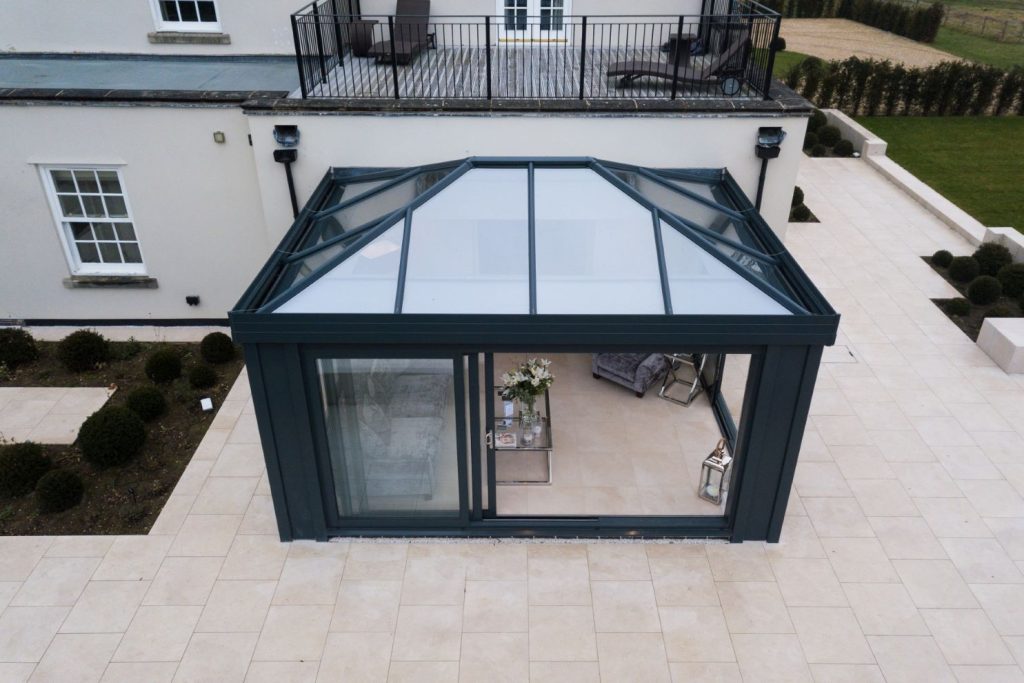
Building a conservatory that lasts: What to look for
If you’re planning a new conservatory, here’s what to prioritise from the outset:
- Best materials for your budget – don’t cut corners on the quality of materials
- Expert installation – work with an experienced, reputable company
- The right roof – choose a roofing solution that suits your climate and usage
- Energy-efficient glazing – modern double glazing reduces heat loss and keeps energy bills manageable
- A design that works for you – a bespoke, well-designed conservatory is more likely to be used and loved, which means it’s more likely to be looked after
At Enhance Conservatories, we specialise in creating bespoke conservatories tailored to each home and family. Whether you’re looking at a glass roof, a solid tiled roof or something entirely bespoke, our friendly team will guide you through every decision – helping you choose the perfect conservatory for your home.
Key takeaways
- A well-built conservatory typically lasts 20 to 30 years or more
- The lifespan of your conservatory depends on materials, installation quality and maintenance
- Regular maintenance is essential to protect against water damage and structural deterioration
- A replacement conservatory roof can dramatically improve an older structure’s performance and lifespan
- Choosing a reputable company from the start is one of the best decisions you can make
Ready to talk about your conservatory?
Whether you’re planning a new conservatory, thinking about a new roof for an existing one, or simply want some expert advice before making any decisions, we’d love to hear from you.
Get in touch with our friendly team at Enhance Conservatories today and get a free quote for your new project. We’ll help you create a space that’s built to last – and one you’ll enjoy for decades to come.