

- 15 December 2025|
- Conservatories
Thinking about adding extra space to your home but can’t decide between an orangery and a conservatory? You’re not alone. It’s one of the most common questions we hear from homeowners looking to create versatile living spaces that blend indoor comfort with garden views.
Both options offer a beautiful way to bring plenty of natural light into your home while adding significant value to your property. But they’re quite different in terms of structure, cost and overall feel.
In this guide, we’ll walk you through the key differences between orangeries and conservatories to help you make the right choice for your home and lifestyle.
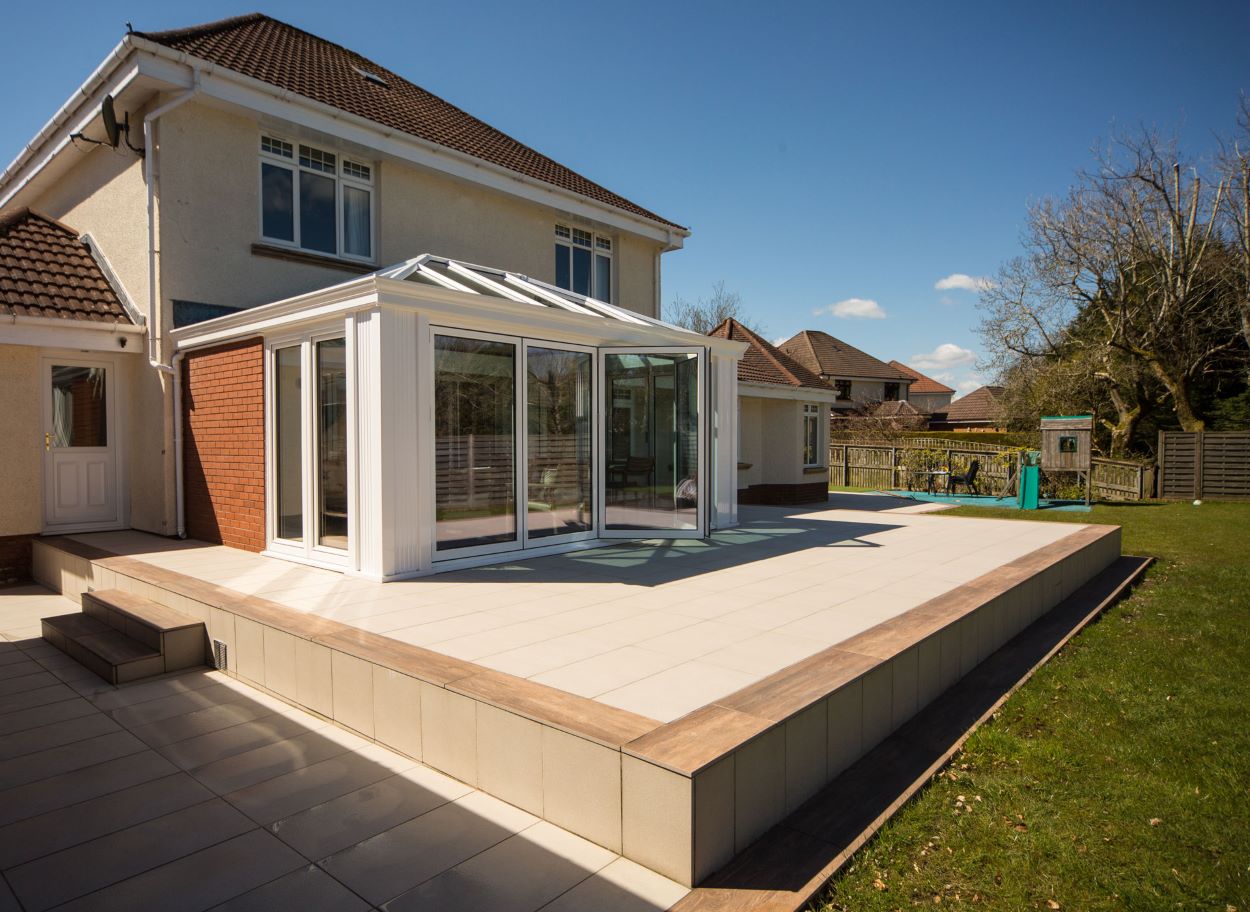
What’s the main difference between an orangery and a conservatory?
At first glance, orangeries and conservatories might look similar. Both are home extensions designed to flood your living space with natural light. However, the main difference lies in their structure.
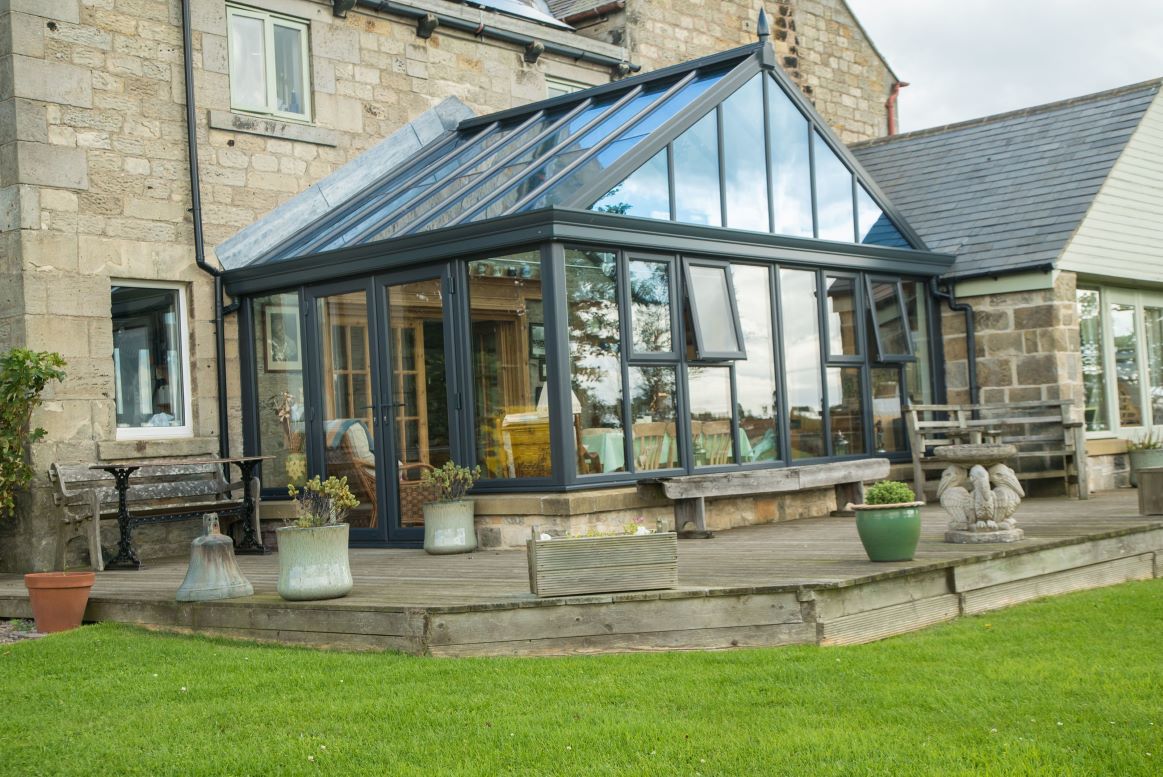
A conservatory is a fully glazed structure with a glass roof and large glass windows that create an almost seamless connection with your garden. It typically sits on a low brick base wall with minimal brickwork around the frame.
A traditional orangery, on the other hand, features more solid walls and a flat roof with a central glass lantern. Traditional orangeries combine brick structure with large windows, creating a room that feels more like a natural extension of your home rather than a glass structure.
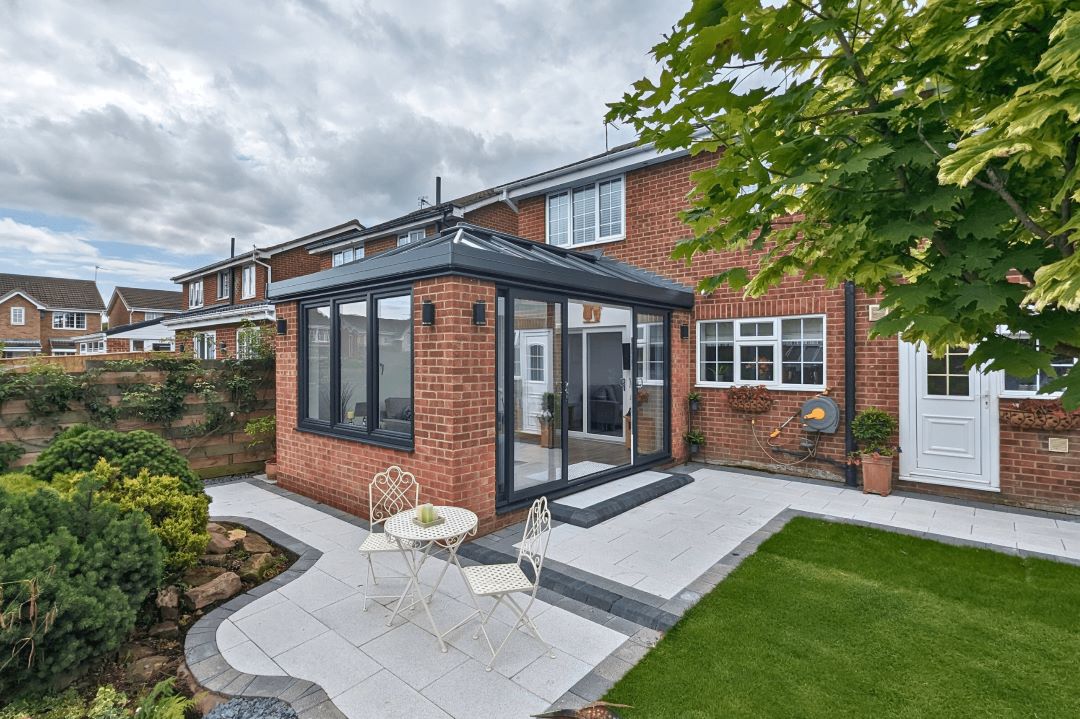
In more recent years, a third option, modern orangeries, have become the go to choice for many homeowners. These modern orangeries are a hybrid combining the features of both a conservatory and a traditional orangery. They are built in a similar way to a conservatory, but with brick pillars and dwarf walls, high performance glass roofs, and deep pelmet boxing options to give the traditional orangery lantern look internally and a stunning conservatory look externally.
The name “orangery” actually dates back to the 17th and 18th centuries when they were built at stately homes as a symbol of wealth to house citrus trees during winter. Today’s versions keep that heritage feel while offering practical, year-round living space.
Structure and design: Solid vs glazed
Conservatories
Conservatories are characterised by their fully glazed roof and walls, maximising natural light and offering uninterrupted views of your garden. They’re built predominantly from glass and typically feature:
- A high-performance glass roof
- Large glass windows on most or all sides
- Minimal brickwork (usually just a low brick base)
- A lightweight frame in uPVC, aluminium or timber
This fully glazed approach means conservatories let in plenty of sunlight, creating a bright, airy space that feels like you’re sitting in the garden whatever the weather.
Orangeries
Orangeries take a different approach with more solid structures that combine brick and glass. A traditional orangery includes:
- Solid walls (usually matching your existing home)
- A flat roof with a glazed lantern in the centre
- Fewer but larger windows compared to conservatories
- More substantial brick base and pillars
This brick structure gives orangeries better thermal efficiency and a more room-like feel. They suit period properties particularly well but work beautifully with modern homes too.
Modern orangeries, using a full energy efficient glass roof incorporating a pelmet boxing system, can be a cost effective solution to achieving the same features as a traditional orangery but with a stunning contemporary look.
Cost considerations
Budget is naturally a key factor when planning any home extension.
Generally speaking, a new conservatory will be more affordable than a traditional orangery. The fully glazed structure requires less brickwork and complex roofing, which keeps costs down. At Enhance Conservatories, we offer conservatories in a wide range of styles to suit different budgets.
New traditional orangery projects typically cost more due to the increased brickwork, more complex roof structure with lantern features and the need for deeper foundations to support the solid walls. However, many homeowners feel the investment is worthwhile for the extra room that feels more integrated with their home.
Modern orangeries can offer the best of both worlds, and are a great option to achieve the look of a traditional orangery. These tend to cost a little more than a conservatory, but can be considerably less expensive than a traditional orangery.
According to recent property market research, both conservatories and orangeries can add between 5-10% to your home’s market value, making them attractive to potential buyers.
Planning permission and building regulations
The good news is that many conservatory and orangery projects fall under permitted development rights, meaning you won’t need full planning permission.
You may need planning permission if:
- Your property is in a conservation area
- The extension exceeds permitted development guidelines
- You’re extending beyond certain measurements from the main house
- Your home is a listed building
Building regulations approval is normally not needed for conservatories or modern orangeries unless the extension is going to be left open to your house, i.e. there are no doors separating the new extension to the house. Traditional orangeries are always subject to building regulations due to their solid roof structure.
As part of our service, Enhance Conservatories will obtain all planning permission and/or building regulation approvals required on your project.
Insulation and year-round comfort
Which offers better thermal efficiency?
Orangeries generally provide superior insulation thanks to their solid walls and solid roof structure. The combination of brick and a flat roof with a smaller glazed section means better heat retention in winter and less overheating in summer.
Modern conservatories have come a very long way though. Today’s designs feature thermally efficient glass, proper roof insulation and quality frames that make them comfortable throughout the year. They’re no longer the sweltering rooms in summer or freezing spaces in winter that older conservatories were known for.
That said, if you’re planning to use your extra space as a home office or year-round living area where temperature control is crucial, an orangery might be the ideal choice.
Aesthetics and style
Personal preference plays a huge role here.
If you love the feeling of being surrounded by natural light with panoramic garden views, a traditional conservatory creates that garden room atmosphere. The fully glazed roof maximises light and creates an airy, open feeling that many homeowners adore.
Orangeries offer a more formal, substantial appearance that can complement both modern and period properties beautifully. The mix of solid walls and large windows creates a balanced look that feels like a proper extension rather than an add-on structure.
Both options are available in various styles – Victorian, Edwardian, lean-to and bespoke designs – so you’re not limited in terms of architectural compatibility with your existing home.
Which is the ideal choice for your lifestyle?
Consider how you’ll use your new space:
A conservatory might suit you if you want:
- Maximum natural light and garden views
- A bright, airy garden room feel
- A more budget-friendly option
- Quicker installation with minimal disruption
An orangery might be better if you prefer:
- A space that feels like a natural extension of your home
- Better year-round temperature control
- A more formal, substantial room
- Enhanced privacy with solid walls
What are the most common questions about orangeries and conservatories?
Can I convert my conservatory into an orangery?
Yes, it’s possible to convert an existing conservatory by adding solid walls and replacing the glass roof with a flat roof featuring a glass lantern, or adding a high performance glass roof with deep pelmet boxing. This can improve thermal efficiency while creating a more room-like feel without starting from scratch.
Beyond the conservatory vs orangery debate, you might also consider how size impacts your project. Choosing the right dimensions depends on your available space, budget and intended use.
Ready to create your perfect space?
Whether you choose a traditional orangery, a modern orangery, or a conservatory, you’re investing in a home extension that will add significant value and create beautiful, versatile living spaces for years to come.
At Enhance Conservatories, we work with homeowners across the region to design and build bespoke conservatories and orangeries that perfectly match their needs and property style. Our experienced team will guide you through every step, from initial design and planning to final installation.
Why not book a free consultation with our team? We’ll visit your home, discuss your ideas and help you decide whether an orangery or conservatory is the right choice for you. There’s no obligation – just expert advice and a clear quote.
Get in touch today to start your journey towards a brighter, more spacious home.