

- 18 March 2026|
- Conservatories
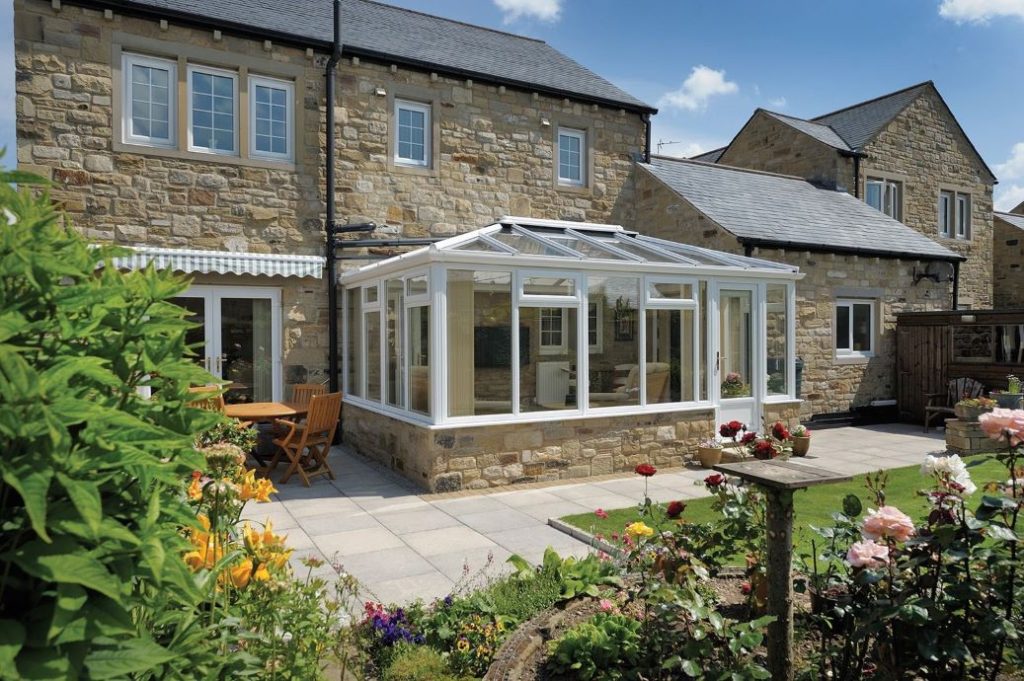
Thinking about adding a conservatory to your home? You’re not alone.
According to the Office for National Statistics, home improvement activity in the UK has surged in recent years, with homeowners increasingly investing in living space rather than moving. A new conservatory remains one of the most popular choices – and it’s easy to see why.
A well-designed conservatory adds usable space, floods your home with natural light and can add real value to your home.
But if you’ve never done it before, the process can feel a little daunting.
Where do you even start?
This guide walks you through how to build a conservatory – from that first spark of an idea right through to stepping inside your finished space – so you know exactly what to expect at every stage.
Step 1: Start with your design
Every great conservatory project begins with a conversation. Before anything is measured, quoted or ordered, you need a clear idea of what you want your conservatory to do for you.
Ask yourself:
- How will you use the space? A family dining room, a home office, a garden room for year-round relaxing?
- What size do you need? A small conservatory might suit a compact garden, while a large conservatory could transform the entire rear of your property.
- What style suits your home? A traditional Victorian design, a sleek modern orangery, a clean-lined lean-to?
At Enhance Conservatories, the process begins with a free, no-obligation design consultation. Our expert team takes the time to understand your vision, your home and your budget – so the conservatory design that emerges is personal to you, not an off-the-shelf solution.
Step 2: Choose your materials and roof type
Once you have a design direction, it’s time to think about materials. This is where your conservatory really starts to take shape.
Frames: uPVC or aluminium?
The two most popular frame materials are uPVC and aluminium.
- uPVC is cost-effective, low-maintenance and thermally efficient – a reliable choice for most homes.
- Aluminium is sleeker, stronger and incredibly durable. Its durability makes it particularly popular for contemporary designs and larger structures.
Roof options
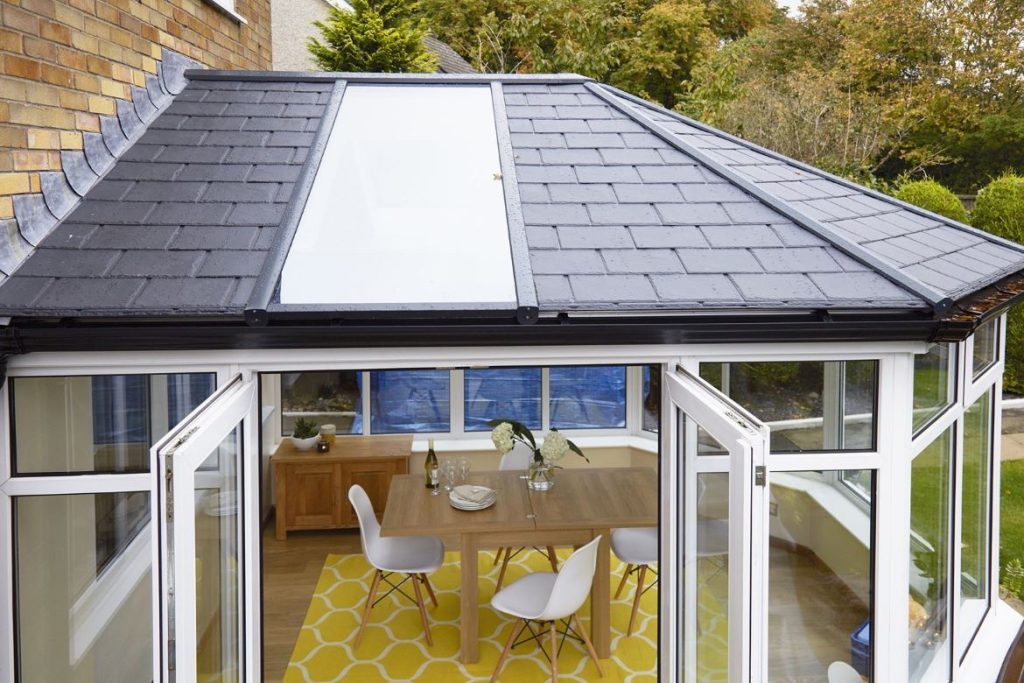
Your conservatory roof has a significant impact on comfort, energy efficiency and aesthetics.
- Glass roof – lets in natural light and gives a bright, airy feel. Modern performance glazing options offer far better insulation than older glass roofs.
- Solid roof or tiled roof – the premium choice. A solid roof gives your conservatory the feel of a proper room, with excellent insulation and year-round usability.
Enhance Conservatories offers all of these options, helping you find the right balance of aesthetics, functionality and budget.
Step 3: Check planning permission and building regulations
This is the stage that trips up many homeowners – but it needn’t be complicated.
Do you need planning permission for a conservatory?
Most conservatories in England fall under permitted development rights, which means you don’t need formal planning permission – provided the build meets certain criteria. Generally, your conservatory must:
- Be built at the rear of the property
- Not exceed a set percentage of the original house’s footprint
- Not be taller than the highest part of the roof
- Not extend beyond a specified number of metres from the rear wall
However, permitted development rights don’t apply to everyone. If you live in a listed building, you’ll need listed building consent. If your home is in a conservation area, restrictions may apply. It’s always worth checking with your local planning authority before work begins.
What about building regulations?
Most conservatories are exempt from building regulations approval – but only if they meet specific conditions, including being separated from the rest of the house by walls, doors or windows, and having a translucent or transparent roof.
If your design includes a solid roof or tiled roof, or if the size of the conservatory is substantial, building regulation approval may be required. Your installer should help you navigate this – and at Enhance Conservatories, our team handles all the relevant checks as part of the process, so there’s no unnecessary hassle for you.
Step 4: Groundwork and foundations
Once all planning and regulation approvals are in place, the physical building work begins.
Good foundations are essential. The type of groundwork required will depend on the size of the conservatory, the ground conditions and the design.
This stage includes excavation, laying a concrete base and ensuring proper drainage – all work that must be done correctly to support the structure above.
Step 5: Construction of your conservatory
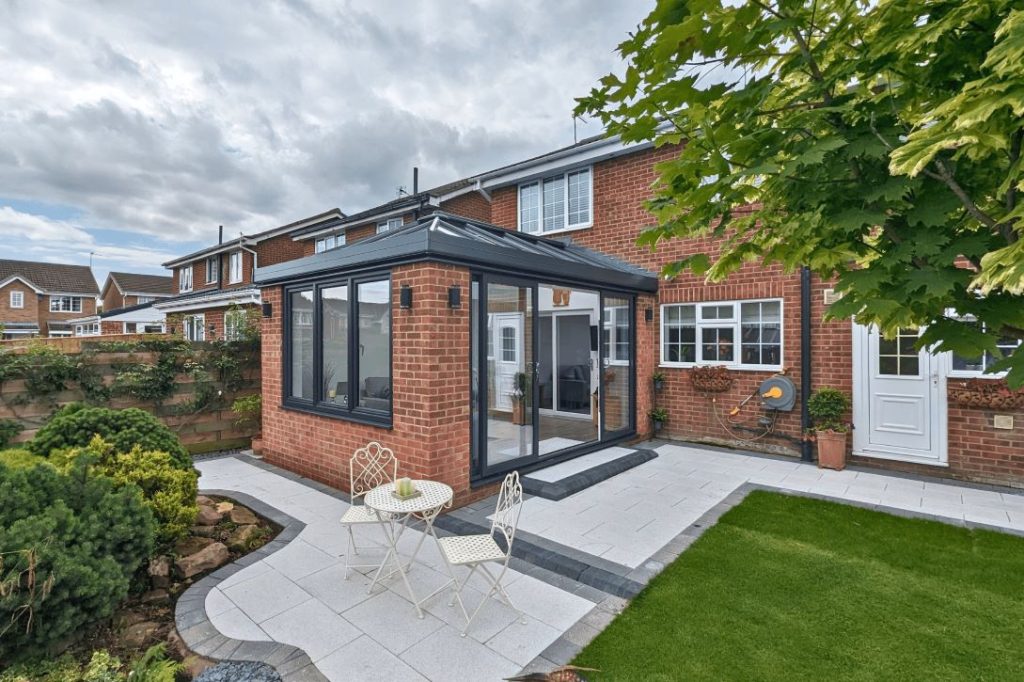
With the groundwork complete, the construction of your conservatory moves quickly. The walls go up first, followed by the frames and glazing, roof installation and the installation of any doors.
At this stage, consideration is also given to:
- Insulation – particularly important for solid and tiled roof builds
- Flooring – from tiled finishes to warm wood-effect options
- Electrics and heating – to make the space genuinely liveable all year round
Step 6: Final checks and handover
Before your new conservatory is handed over, a thorough quality check is carried out. Every seal, fixture and fitting is inspected to make sure everything is watertight, secure and finished to a high standard.
Then it’s over to you – to furnish it, decorate it and enjoy it.
Key takeaways
- Most conservatories fall under permitted development
- Roof choice affects comfort, insulation and energy efficiency
- Building regulations may apply depending on size and roof type
- A good installer handles the complexity, so you don’t have to
Ready to take the next step?
If you’re thinking about building your own conservatory, the best place to start is a conversation with a team that knows what they’re doing. At Enhance Conservatories, we’ve helped homeowners across the region create beautiful, bespoke spaces they use every day.
Get in touch via our online contact form to arrange your free design consultation – and let’s start planning the perfect conservatory for your home.